

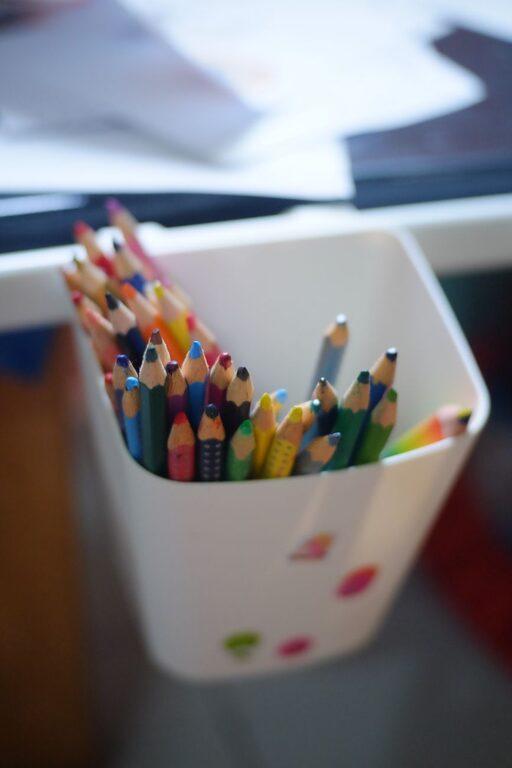
Children’s artwork is a wonderful expression of creativity and imagination. However, as the masterpieces pile up over time, it can become challenging to keep them organized and avoid clutter. Whether it’s colorful paintings, drawings, or 3D crafts, having a system to store and display your kids’ art can make your home feel tidier and help preserve precious memories. Here are some useful tips for keeping kids’ art organized in ways that work for both parents and children.
Create a Designated Art Space
Set Up an Art Station
Having a designated area where your child can create and easily store their art supplies and finished pieces is a great first step. This could be a small table with drawers, a cubby system, or even a corner of a room. When art materials and artwork have a specific place, it minimizes random messes and makes tidying up easier.
Incorporate Display Areas
Create a space to showcase current favorites. Consider using a bulletin board, magnetic strips, or string with clothespins to hang recent artwork. This not only encourages your child but also allows for rotating displays, so old pieces can be removed and stored or recycled.
Use Storage Solutions That Work
Portfolios and Binders
For flat artwork such as drawings and paintings on paper, portfolios or large binders with plastic sleeves are perfect. You can label them by year, child, or type of artwork. This keeps the art protected, flat, and easy to browse through later.
Storage Boxes and Containers
For three-dimensional projects like clay sculptures or models, use clear plastic boxes or bins to keep them dust-free and organized. Label each container with the child’s name and date for easy identification. Stackable containers save space and keep things neat.
Digital Archiving
Taking photos or scanning artwork is an excellent way to preserve pieces without keeping every original. Digital files can be organized by date or project, shared with family, or even printed into photo books. This method helps reduce physical clutter while still honoring your child’s creativity.
Establish a Routine
Regular Sorting Sessions
Set aside time monthly or quarterly to go through the artwork together. Decide which pieces to keep, which to display, and which to recycle. This teaches kids to value their work while keeping the collection manageable.
Limit the Number of Saved Items
Establish a reasonable limit for how many pieces you keep, such as one or two per month or per art session. This creates a natural filter and helps avoid overwhelming piles of artwork.
Make the Most of Art Displays
Create a Rotating Gallery
Use frames or a gallery wall in your home where artwork can be rotated regularly. This elevates the importance of your child’s work and gives every piece a moment in the spotlight.
Use Art as Gift Wrap or Cards
Reuse artwork creatively by turning it into wrapping paper or greeting cards for family and friends. This is a meaningful way to share your child’s creativity and reduce waste.
Encourage Your Child’s Involvement
Let Kids Choose Favorites
Involve children in deciding which pieces are most special to them. This can foster decision-making skills and help them appreciate the value of their own work.
Teach Organization Skills
Show kids how to store their art properly. Use simple containers or folders they can manage on their own, encouraging responsibility and independence.
Additional Tips
– Use labels to keep things clear and easy to find.
– Consider an art journal where your child can create smaller or continuous work in one place.
– Keep supplies and storage within easy reach to encourage regular clean-up.
– Don’t hesitate to recycle or discard duplicates or less meaningful pieces after documenting them.
Final Thoughts
Keeping kids’ art organized doesn’t have to be overwhelming. With the right tools and routines, you can create a system that honors your child’s creativity, keeps your home tidy, and preserves memories for years to come. Remember that the process is as important as the result—encourage creativity, involve your children, and enjoy the colorful journey together.